
I’ve been writing on here since 2016 so, at this point, it’s also fun to search for topics like love, sex, evolve, addiction, hitler help, jesus, create or… you get the idea.
If you want to be notified of new posts you can sign up for my weekly newsletter here or get the rss feed for Feedly or another reader here.
bonus amazing and relevant poem post.
from Ella Wheeler Wilcox in 1914.
To sin by silence, when we should protest,
Makes cowards out of men. The human race
Has climbed on protest. Had no voice been raised
Against injustice, ignorance, and lust,
The inquisition yet would serve the law,
And guillotines decide our least disputes.
The few who dare, must speak and speak again
To right the wrongs of many. Speech, thank God,
No vested power in this great day and land
Can gag or throttle. Press and voice may cry
Loud disapproval of existing ills;
May criticise oppression and condemn
The lawlessness of wealth-protecting laws
That let the children and childbearers toil
To purchase ease for idle millionaires.
Therefore I do protest against the boast
Of independence in this mighty land.
Call no chain strong, which holds one rusted link.
Call no land free, that holds one fettered slave.
Until the manacled slim wrists of babes
Are loosed to toss in childish sport and glee,
Until the mother bears no burden, save
The precious one beneath her heart, until
God’s soil is rescued from the clutch of greed
And given back to labor, let no man
Call this the land of freedom.
kaepernick: the critic within.
Criticism is not all bad. The right kind of criticism is what makes something better.
Every good company listens to good criticism - sometimes the criticism is directly from the CEO.
Every good product is good because good criticism was listened to and addressed.
The Bible even criticizes itself, pointing out faults in the religious system within it.
What is good criticism?
There are all kinds of rules from all kinds of people, including Roosevelt's "get in the arena" quote about ignoring the critics and paying attention the man fighting in the arena.
Which brings us to something interesting and I think critical about critics.
The person "within the arena" has every right to be critical and not only every right but without that criticism, the company/country/community that he/she is in will not grow and evolve and change.
So, how do we define "within"? That seems to be the critical component.
Trump supporters think Trump is in. (This obviously has nothing to do with money or celebrity or indulgent lifestyle.) Trump criticizes America constantly and gains support because of it.
Clinton supporters think Clinton is in. (This obviously has nothing to do with money or celebrity or indulgent lifestyle.) Clinton criticizes America constantly and gains support because of it.
Kaepernick supporters think Kaepernick is in. But there are, obviously, much fewer people who think he is "in" enough to criticize the way he has. Is it really about not standing for the flag or is there something deeper?
I think, he makes us ask the question he wants us to ask: is this is a country that still makes excuses when certain colors of human beings criticize - because we don't see them as "within" enough?
Ironically enough, the very song Kaepernick is sitting down for was written by a man who said that Africans in America are "a distinct and inferior race of people, which all experience proves to be the greatest evil that afflicts a community."
Apparently, Francis Scott Key was in enough then to write our "national anthem" and is in enough still, but if you disagree with him, you are not.
(Or, this could all just be a case of no one can be a critic - or even perceived as a critic - of our nation's military. But that's a whole other problem.)
elderly.
It's been a heavy summer for me.
A mid-20's man has aggressive brain cancer.
An early 40's man has aggressive leukemia.
A mid-20's man just died in an ATV accident.
And the list goes on...
I found myself looking at a group of men in their 70's smiling and drinking a beer at a nearby brewery and thinking "someone people do make it to their 70's).
On one hand it felt depressing and pessimistic but on the other I found myself appreciating the elderly for the monuments to hope and longevity and life and gratefulness that we all seek.
The elderly are not some kind of reminder of the frailty of life as much as they are reminders of the gift of it.
a percent.
Most people (some still find a way to complain) are okay with giving away 5% of their money in exchange for being able to enter in a number on a website and giving an amount of money to a friend who needs money.
In other words, the 5% is worth not having to drive to the bank, draw out cash, drive to someone's house and put the money in their mailbox.
The fee is worth the payoff.
How much of a fee are you willing to pay an organization that raises awareness of tries to fight human trafficking? Poverty? Injustice? Cancer?
How much of a fee are you willing to pay a church?
Fees are everywhere. It's not use complaining about them but it is a good exercise to decide which ones are worth it and which are not.
honesty is always risky.
Being honest, always costs something... or at least risks losing something.
If I tell him I think the drawing is terrible, he might never draw again.
If I tell her she's not the right person for the job, will she give up hope?
If I tell the soldier that we're hiding Jews, we all might die.
Yes, the potential costs vary widely but there is always a risk in being honest, which means there is always fear associated with honesty. This truth could affect the trajectory of my life, of his life, of her life. Which is why we're often dishonest, or at least we "sugar-coat" the truth. It's not worth the risk. (And sometimes it truly isn't.)
Factor in a belief in supernatural punishment for not being honest and the stakes get much higher.
If I admit my doubt, I might burn in hell forever.
I think this is why atheists and agnostics are often much more honest than fundamentalists. I think it's another of the reasons voices of God are always telling us to not be afraid. Honesty is worth it.
clif bars and orange juice.
A Clif bar (20g) has as much sugar as a Snickers bar. (20g)
A 20 oz Vitamin Water (33g) has almost as much sugar as a can of 12 oz Coke (39g) - both much more than a Snickers bar and both much less than a 16 oz Minute Maid Orange juice bottle (48g).
Right, a 16 oz bottle of orange juice has more sugar than a 12 oz can of Coke.
Okay, none of this is really about sugar or what you eat or drink, it's about how perception is based on labels and marketing.
Sacred. Secular. Church. Christian. Muslim. American. Iraqi. Refugee. Atheist. The list goes on and on.
The labels and marketing are affecting our perceptions every day.
if you see the buddha...
If you see the Buddha on the road, kill him.
The idea behind the line is that you can't see the Buddha on the road, because the Buddha doesn't roll like that. If you do, it's just someone pretending to be the Buddha and if you rid the world of someone or something appearing to be the Buddha, well... the world is better off.
It sounds terrifying but the same applies to other gods.
If you see god on the road, kill him. (For one, God is not a him.)
Or what about this one?
If you see a Church, burn it down.
(Yes, as a pastor, that one keeps me up at night.)
please take a second to respond.
Another article on why Americans are no longer going to church.
Another day spent wondering what church will look like in 5 or 10 years and wondering what my/our role will be in that.
So, I figured I would ask you - who come from a wide variety of backgrounds.
Why do(n't) you to go church?
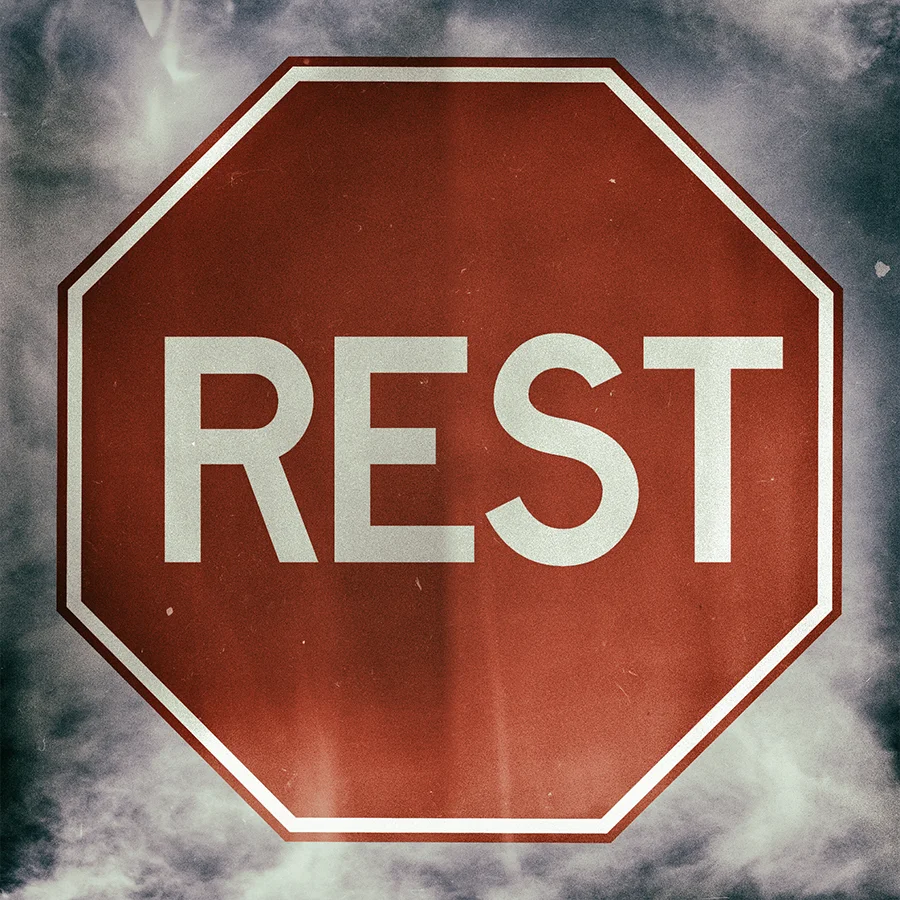

against.
I was in a burger shop and on the cash register was a sign with all the credit card logos on it. At first glance, I assumed it was a sign signifying "we accept these cards". After they told my wife "cash only" did I realize there was a red circle around the logos with a line through it.
But the mind doesn't work that way.
Show me credit card logos and I'll think you accept them. Don't draw attention to what you're against. Show me a sign that says "cash only". Draw attention to what you're for.
If you're going to use what you're against to draw attention to what you're for, don't be surprised if people think the opposite.
Church.
spots and sides.
Our family has seen every season of Survivor that has aired. It's one of the greatest social experiments out there. So much to learn. And, as we get excited about another season coming up soon...
If there is one thing you learn watching Survivor, it's this: blind spots lead to blindsides.
And if there is another thing that you learn watching Survivor, it's this: overconfidence breeds blind spots.
And if there is one thing you learn from the great spiritual teachers, it's this: humility and sight are essential to life.